

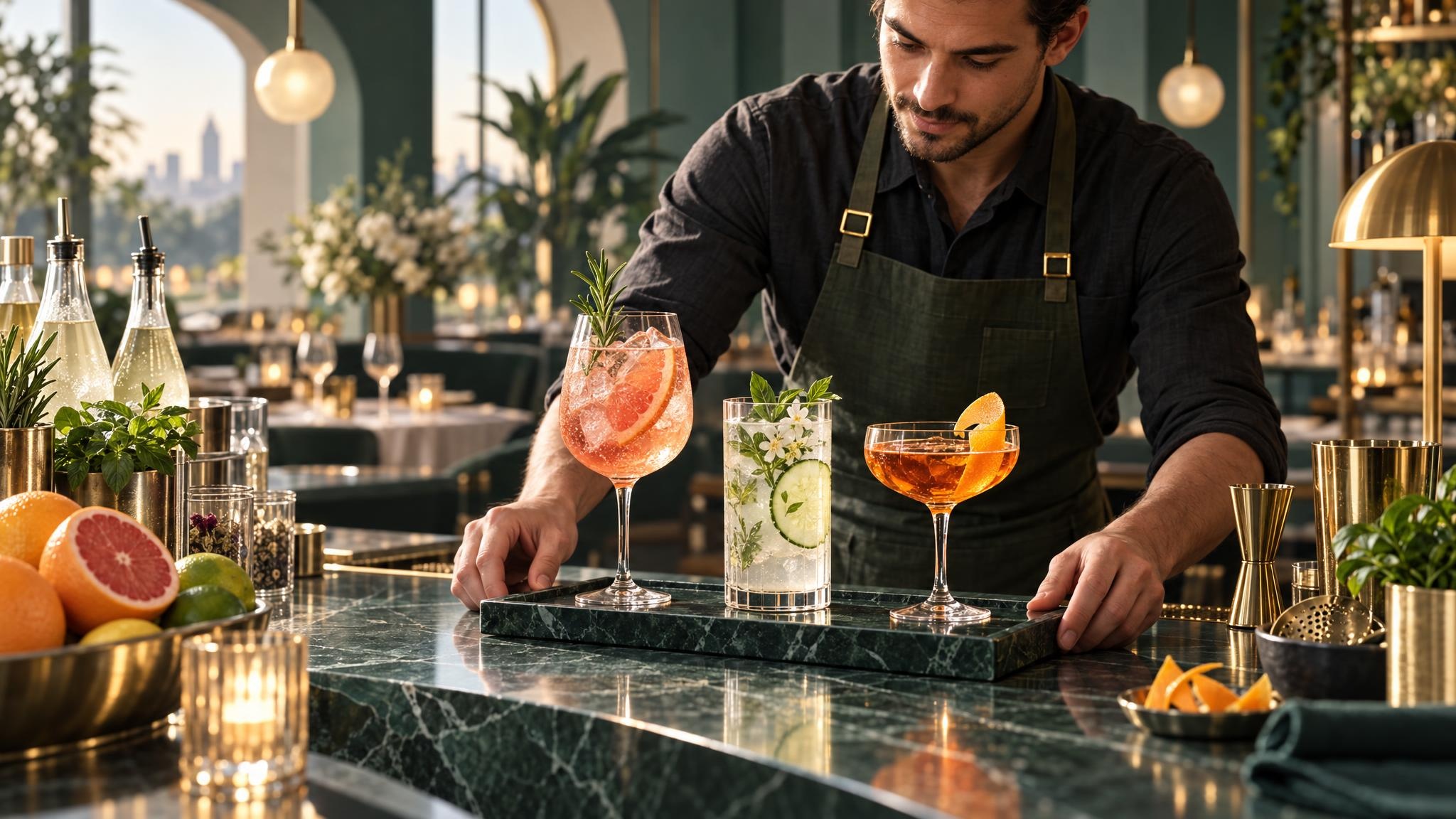
If you are deciding where to focus in 2026, beverage trends deserve a closer look than they usually get. Drinks are no longer just the thing that rounds out the meal. They can drive traffic, support loyalty, lift average check, and give a concept a more current feel without rebuilding the whole menu. The operators who treat beverage planning as a revenue decision, not a side project, are the ones most likely to get value from it.
So what are the beverage trends for 2026? In practical terms, you are looking at nine themes: more choice and more beverage-only occasions, moderation and premium zero-proof, functional and wellness drinks, smaller serves and afternoon occasions, global flavors and cultural storytelling, pricing that reflects perceived value, off-premise packaging, and menu design that keeps execution manageable. Those trends show up in different ways depending on whether you run a restaurant, bar, hotel, café, or multi-unit group, but the underlying decision is the same: which beverage changes will actually improve traffic and margin for your operation?
That is the filter to use. A neighborhood restaurant, a hotel lobby bar, a high-volume casual concept, and a boutique café should not chase the same beverage ideas. You need a menu that fits your dayparts, labor model, and guest expectations, then a plan for what to add, rename, reprice, or remove. If you want a broader view of how beverage decisions connect to menu and marketing planning, more hospitality insights can help you compare those choices in context.
Industry reporting from the National Restaurant Association, NIQ, and Bacardi points in the same direction: guests are looking for more beverage variety, more intentional nonalcoholic options, more flavor, and more experiences that feel worth leaving home for. The opportunity is real, but only if you make the right operational tradeoffs.
Why beverages are becoming a bigger growth lever in 2026
For years, many operators treated beverages as support. Food brought people in, drinks filled in the ticket, and the bar was there to make the experience feel complete. That model still exists, but it does not describe the full opportunity anymore.
Beverages now do more than attach to a meal. They can create a reason to visit between lunch and dinner, support premium positioning, widen your off-premise mix, and make a concept feel fresh faster than a full menu overhaul. That matters because beverage changes usually take less time to test than major food changes, and they can be easier to reset if they do not work.
The tradeoff is that beverages can also add complexity quickly. One extra cocktail sounds easy. Five new items, two new garnishes, and a separate nonalcoholic section can turn into training friction, inventory creep, and slower service if you are not careful. That is why beverage trends 2026 should be judged on more than novelty. Ask whether the change creates a clearer guest reason to visit, or whether it just adds another item to explain.
What changed from support category to growth lever
The most useful way to think about beverage strategy now is through four jobs:
- Traffic, by giving guests a reason to stop in for a drink instead of a full meal.
- Discovery, by offering something specific enough to try and remember.
- Check management, by encouraging trade-up, add-ons, and premium choices.
- Daypart expansion, by making slower or in-between hours worth monetizing.
Once you frame beverages that way, the menu question becomes easier. You are not asking, “What is new?” You are asking, “What beverage change will matter most to this business model?”
More choice, more occasions: what guests want from beverage menus
Guests want more variety than many menus still offer. That does not mean every beverage list should get longer. It does mean the old assumption, that a few soft drinks, beer, wine, and a standard cocktail section are enough, is getting weaker.
Younger consumers are a big part of that shift. They are often the ones creating beverage-only occasions, especially in the middle of the day or before dinner. The practical takeaway is simple: people are no longer only deciding whether to order a drink with a meal. They are deciding whether your place is worth visiting for the drink itself.
That is one reason beverage-only occasions matter so much. If a guest can stop in for a mid-afternoon spritz, a coffee-forward pause, a zero-proof option, or a smaller cocktail, you have opened up a sales opportunity that does not depend on full dinner traffic. The best menus make those decisions feel easy.
At the same time, more choice can create menu clutter. If every section is packed with similar items, ordering slows down and service becomes harder to train. More variety helps only when the menu has a clear structure.
Use menu architecture, not just menu expansion
Before you add drinks, decide what each section is supposed to do. A smart beverage menu usually has three different jobs:
- Fast ordering, with items that are easy to understand and quick to make.
- Discovery, with one or two items that feel special enough to try.
- Occasion fit, with drinks that answer a specific time of day or guest need.
For example, if your menu already has standard cocktails and beer, the next addition should probably not be another generic spirit-and-citrus build. It may be a smaller-format aperitif, a premium zero-proof option, or a daytime refreshment that fills an obvious gap. That is a better use of menu space than another item that competes with something already on the page.
If you add choice, remove confusion somewhere else. Group drinks by occasion, flavor, or daypart if that makes ordering easier. Use section names that help the guest understand the menu quickly. The goal is not more pages. It is better decision-making at the table.
Moderation is shaping both alcohol and zero-proof demand
Moderation is one of the clearest beverage trends 2026. Guests still want to spend on drinks, but many want more control over how alcohol fits the occasion. That does not always mean they are avoiding alcohol entirely. It often means they are choosing lower-ABV drinks, alternating alcoholic and nonalcoholic beverages, or picking a premium soft drink because it fits the moment better.
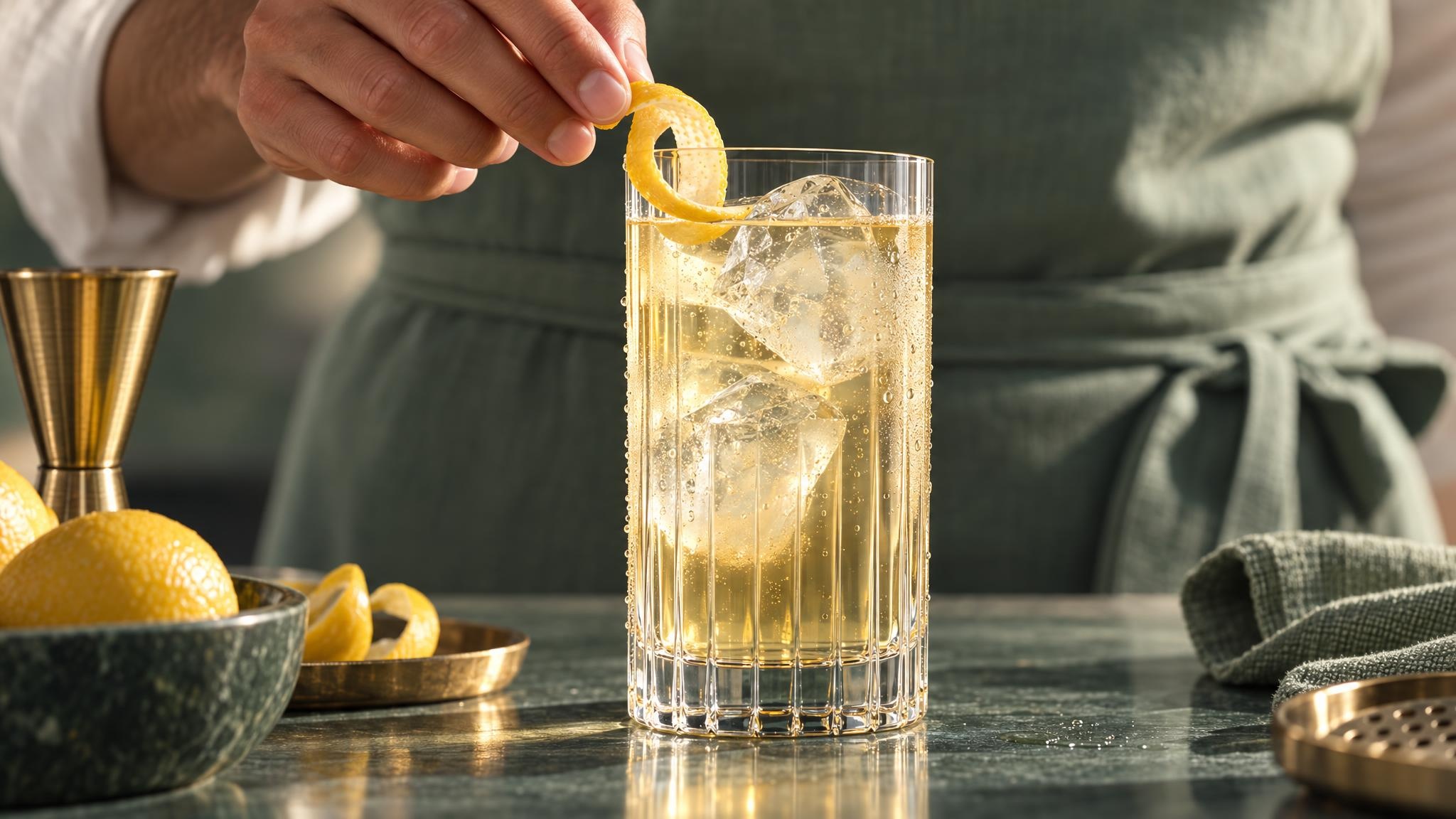
This is where zero-proof deserves more respect than it sometimes gets. A well-made nonalcoholic drink is not a consolation prize. It is a menu item with its own job to do. It should look intentional, taste layered, and be priced in a way that reflects its role in the program.
It also helps to distinguish among three different guest needs. Zero-proof drinks serve guests who do not want alcohol in that moment. Low-ABV drinks serve guests who want a lighter option. Premium soft drinks serve guests who want something special, refreshing, and easy to order. Those are related, but they are not the same thing.
That distinction matters if you are thinking about what Gen Z consumers drink instead of alcohol. The answer is not one category. It is a mix of flavorful nonalcoholic options, premium sodas, teas, coffees, mocktails, and lower-ABV drinks that still feel social. The common thread is not abstinence alone. It is choice and credibility.
How to make zero-proof sell like part of the core program
- Give it a real name, not a menu apology.
- Place it near cocktails or featured beverages, not at the bottom of the page.
- Describe the flavor clearly, with the same care you use for alcohol-based drinks.
- Price it with intent, based on the experience it delivers, not just ingredient cost.
- Serve it well, with glassware, garnish, and pacing that feel deliberate.
If a zero-proof drink looks like an afterthought, guests will treat it that way. If it reads like a real option, it has a better chance of becoming one.
Functional and wellness beverages are moving from niche to expected
Functional drinks are not replacing cocktails, beer, or coffee. They are creating another decision point for guests who want something that feels more purposeful. In many cases, that purpose is as simple as refreshment, balance, or energy without a heavy feel.
Depending on your concept, that can mean hydration-focused drinks, tea-forward offerings, lighter coffee builds, or beverages framed around energy, recovery, or digestion. The best versions do not lean on vague wellness language. They give guests a clear reason to order and a flavor profile that makes sense in the room.
This trend matters most in daytime-led environments: cafés, hotels, breakfast and lunch venues, airport concepts, and restaurants that need a stronger non-dinner beverage business. If your operation is not naturally daytime-heavy, you do not need to force a wellness section onto the menu. You may be better off using one or two functional items as targeted additions rather than building a whole category around them.
That is the decision operators should make. Functional drinks are useful when they support a specific daypart, guest need, or packaging strategy. They become gimmicky when they rely on claims instead of taste, or when they appear in a concept where they do not fit the guest expectation.
Keep the language grounded
When functional beverages work, they usually work because the menu stays specific.
- Lead with ingredients, then explain any benefit in plain language.
- Avoid broad wellness claims that feel disconnected from the drink itself.
- Match the concept, so the beverage feels natural in the room.
- Keep service simple, especially if the drink is meant to move at lunch or in a grab-and-go setting.
The less you have to explain, the easier the beverage is to sell.
Afternoon occasions and smaller serves deserve more attention
One of the most practical beverage trends 2026 is the rise of in-between dayparts. Mid-afternoon, late morning, and early evening all create opportunities for smaller serves, lighter drinks, and beverage occasions that do not require a full meal.
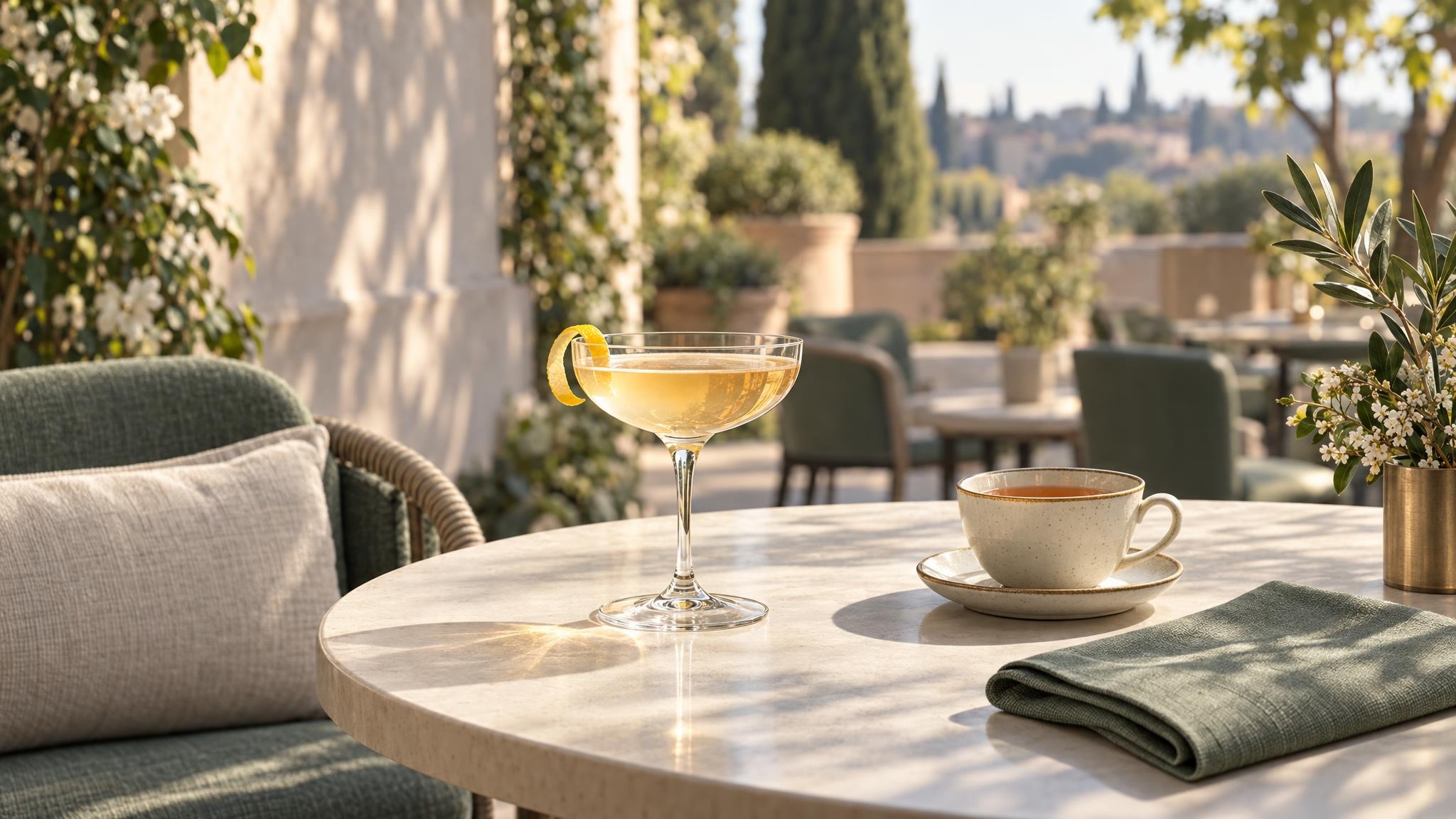
This matters because many operators still think about beverages mainly in the context of dinner or happy hour. That leaves a gap. A guest may not want a full cocktail at 3 p.m., but they may happily order a smaller pour, aperitif-style drink, tea-based refresher, or low-ABV spritz. In other words, the occasion is there. The menu just needs to meet it.
Smaller serves also help manage commitment. They make it easier for guests to try something new without feeling like they are over-ordering. For you, that can mean a beverage program that generates incremental check without forcing the kitchen or bar to support a big new daypart.
The operational upside is worth noting. A compact afternoon beverage list can keep prep manageable, support slower hours, and create a reason for guests to return between meals. It is not about chasing volume for its own sake. It is about giving underused time on the clock a clearer purpose.
Example
Example: an upscale casual restaurant adds a 3 p.m. aperitif menu with two smaller spritz formats, one tea-based refresher, and one premium zero-proof drink. Each item shares ingredients with existing prep, uses the same glassware family, and can be explained in one sentence by the server. The goal is not to create a separate bar program. The goal is to make the afternoon feel intentional enough to buy into.
That kind of change works best when the room, staffing, and menu already support a slower, more social stop-in. If your property does not have that shape, you may still want one smaller-format drink that can live on the main menu without changing the whole operation.
Global flavors and cultural storytelling are driving the next round of cocktail innovation
Cocktail trends 2026 are not just about novelty. They are about drinks that feel rooted in something. Bacardi’s 2026 cocktail trends reporting points toward local flavors, luxurious experiences, and more connected beverage stories. That reflects a larger shift in guest expectations: people want to know why a drink exists, not only what is in it.
That does not mean every beverage needs a full backstory. In fact, too much story can slow service and make the menu feel self-conscious. But a good beverage program can still use cultural cues, local ingredients, and regional inspiration in a way that feels concise and operationally useful.
This is where hospitality marketing trends and beverage strategy overlap. A drink with a clear origin or flavor reference is easier to feature online, easier for staff to describe, and easier for guests to remember. It can also create a stronger sense of place, which is often the difference between a beverage that gets ordered once and one that helps define the concept.
Build stories the team can actually repeat
The best beverage stories are short enough to survive a busy shift. If your staff cannot say it cleanly, the guest will not hear it clearly.
- What does it taste like?
- Where does the inspiration come from?
- Why should the guest care?
For example, a bartender can describe a drink as “bright, citrus-forward, with a regional herb note, built for a lighter afternoon pour.” That is enough. It gives the guest a flavor picture and a reason to order without turning service into a lecture.
The operational test is simple: can your team repeat the story confidently during a rush? If not, simplify the concept until it can be explained in one breath.
Value, pricing, and perceived quality will decide what guests order
No beverage trend works if the guest does not think the value is there. That is why pricing matters so much in this category. Guests judge drinks through a mix of ingredient quality, presentation, glassware, size, and the occasion the drink is meant to serve. If the cues line up, they will often spend more. If they do not, they will hesitate.
Premium does not always mean expensive. It means the guest can see why the drink costs what it costs. Sometimes that is a better spirit or a more distinctive nonalcoholic base. Sometimes it is the presentation. Sometimes it is a smaller serve that feels intentional rather than stingy. Sometimes it is the setting itself, especially if the drink fits a specific daypart or mood.
That means pricing decisions should never happen in isolation. A beverage should be priced against the experience it creates. A drink with strong visual cues, a housemade component, or a clear occasion role can justify more than a random item that looks interchangeable with everything else on the menu.
Pricing decisions to pressure-test
- Premium by ingredient, such as a higher-end spirit or a more distinctive nonalcoholic base.
- Premium by presentation, where glassware, garnish, and build make the drink feel more deliberate.
- Premium by portion, where a smaller serve feels curated rather than limited.
- Premium by occasion, where the drink is clearly tied to a moment guests are willing to pay for.
If your team has to explain the pricing every time, the menu is doing too much work at the table and not enough work on the page. The best pricing logic is visible before the first order is placed.
Off-premise packaging is still an underused beverage opportunity
Many operators have improved food packaging for pickup and delivery, but beverages still lag behind. That is a missed opportunity, because drinks can add meaningful ticket lift when they are easy to order and reliable on arrival.
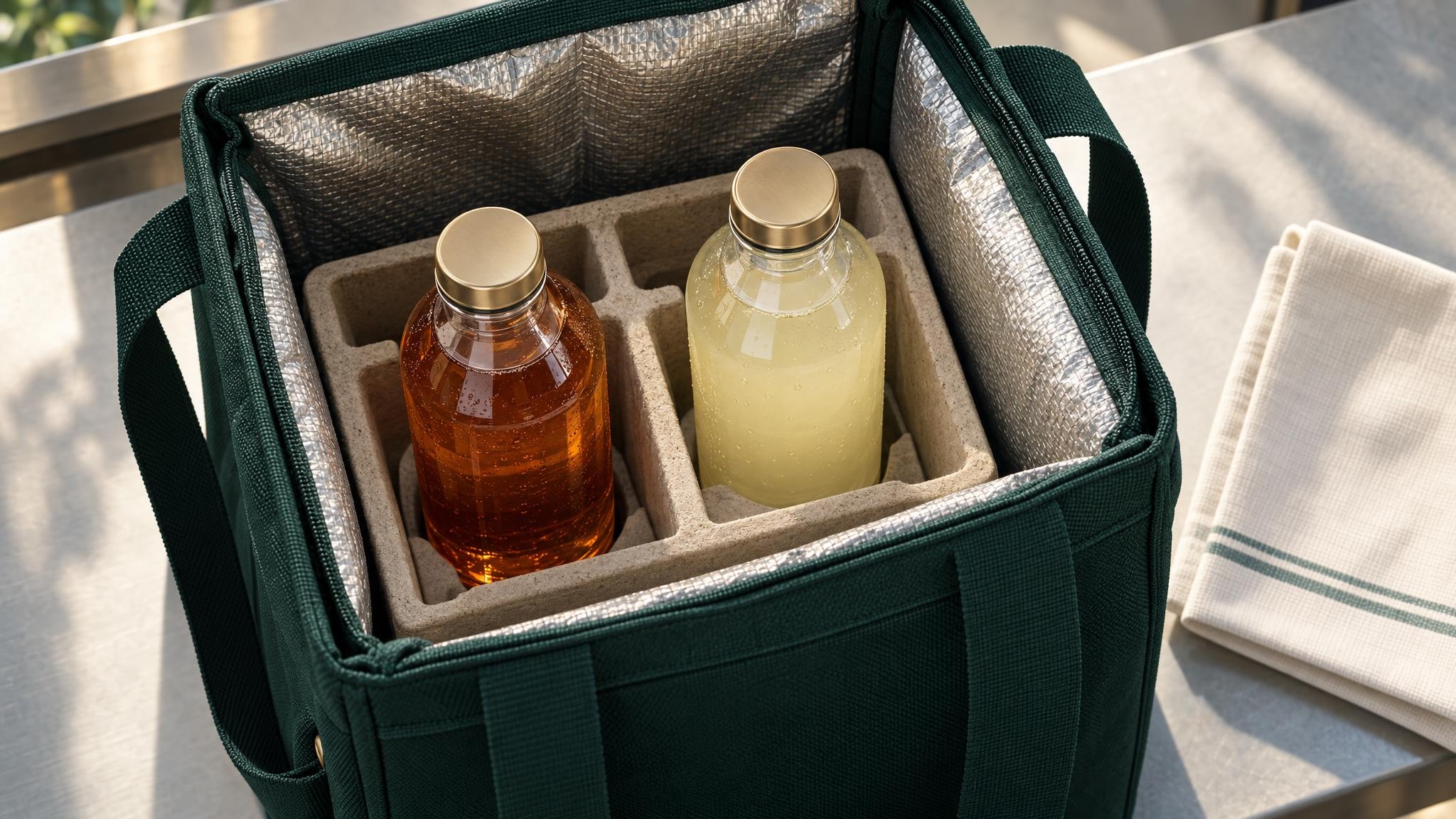
The limitation is not interest alone. It is execution. Some beverages travel well. Others do not. Cold brew, canned drinks, sealed teas, and certain zero-proof options can be strong candidates. Drinks that separate, lose texture, or spill easily tend to create more frustration than revenue.
That is why off-premise beverage strategy should be selective. If a drink cannot hold up in transit, it should not be a core delivery item. If it can travel cleanly, it may be worth highlighting in ordering flows, pairing with food bundles, or packaging as a higher-margin add-on.
The underlying point is practical: packaging is part of the product. If you are asking a guest to pay for a beverage they will not consume on-site, the drink has to arrive with enough quality to justify the purchase.
Example
Example: a neighborhood restaurant tests canned cocktails, cold brew, and sealed nonalcoholic spritzes for pickup orders where legally permitted. The items appear prominently in the digital ordering flow, are packaged for clean transport, and are paired with simple food bundles. The test is narrow on purpose. If the drinks do not move cleanly, the operator can stop without overhauling the whole beverage program.
That is a better use of effort than trying to force every cocktail onto a delivery menu. Pick the drinks that travel well, then make them easy to add.
Your operator action plan for beverage trends 2026
The hard part is not spotting the trends. It is deciding which ones are worth the time, menu space, and labor. The best beverage strategy starts with your concept, your busiest and slowest dayparts, your staffing reality, and the way your business makes money. From there, choose a small set of tests that are easy to measure and easy to stop if they do not work.
If you are asking which drink trends can actually improve traffic and margin, start here: moderation plays, smaller-format afternoon drinks, one premium signature item, and one off-premise-friendly beverage. Those are the trends most likely to create measurable business value without requiring a complete menu reset.
That does not mean every concept should test the same four items. It means you should choose one beverage change for each job you want the menu to do.
- Traffic: a beverage-only occasion or afternoon-specific drink.
- Margin: a premium signature cocktail or high-value zero-proof option.
- Daypart extension: a smaller serve or aperitif-style item.
- Off-premise: a packaged beverage that travels well.
Do not test too many variables at once. If you change the recipe, the price, the name, and the glassware simultaneously, you will not know what actually worked. Keep the first round clean so you can read the result honestly.
Measure more than sales volume. A beverage test should tell you something about mix, attachment, speed of service, guest response, and margin contribution. If a drink sells well but slows the bar to a crawl, that matters. If a zero-proof option gets ordered by staff but not by guests, that matters too. If a premium item improves average check but creates confusion, that matters as well.
30-day rollout checklist
- Menu audit: identify where you are too narrow, too crowded, or missing a clear beverage occasion.
- Team training: make sure bartenders and servers can explain each new drink in one or two sentences.
- Pricing review: check value cues, not just ingredient cost.
- Supplier coordination: confirm availability, substitutions, and packaging needs.
- POS and online ordering check: verify how the drink rings, how it travels, and how it appears digitally.
- Promotion plan: decide how the beverage will be introduced in the room and, if relevant, in your digital channels.
If you operate more than one location, this is usually where outside support becomes useful. Beverage strategy has to align with operations, marketing, and supplier relationships. That is hard to do well if every unit is improvising on its own. If that sounds familiar, a partner focused on beverage strategy and hospitality marketing services can help you prioritize what to test first.
You may also want to compare your beverage plan with broader category research before you commit to menu space. If so, the right place to start is your internal planning process, not a guess at what is “trending.” When you need help turning those decisions into a clear path forward, Talk With DCG About Your Beverage Strategy.
How to decide which 2026 beverage trends are worth your menu space
Not every trend deserves a spot on your menu, and that is the point. The most useful beverage trends 2026 are the ones that fit your guest, your labor model, and your margin goals. For some operators, the priority will be premium zero-proof and lower-ABV options. For others, the money is in afternoon occasions, global flavor stories, or a tighter off-premise beverage mix.
If you need a simple rule, use this: choose beverage changes that do one of three things well, create traffic, raise check, or make the operation easier to execute. If a trend does none of those, it is probably not worth the space. If it does one of them clearly, it may be worth testing. If it does two, it deserves serious attention.
That is the real difference between chasing beverage trends and using them. One adds noise. The other helps you make better decisions about the menu your guests actually see.